
Route logic and the optional Tangier start
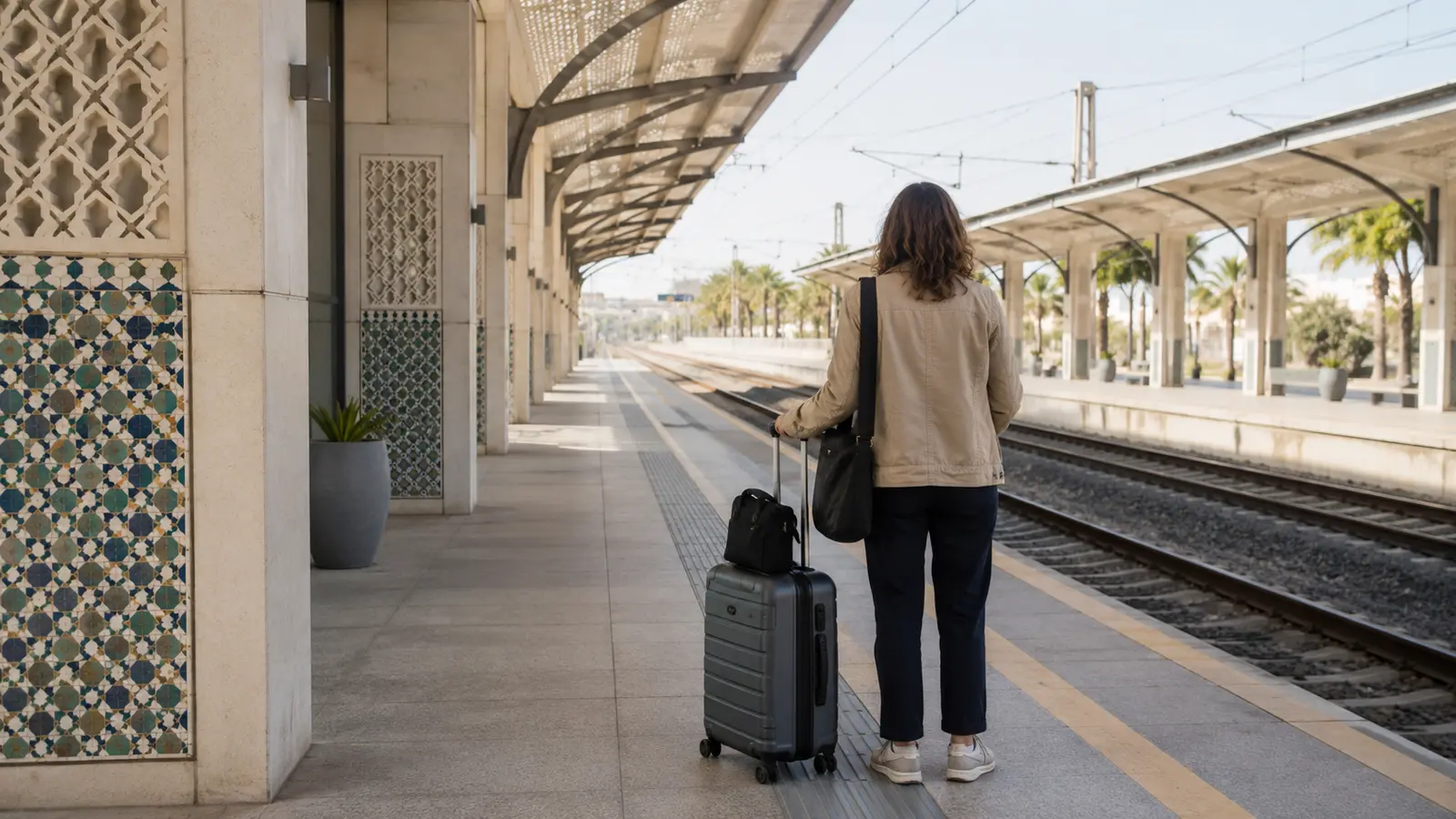
A northern arrival can begin in Tangier, then continue by rail to Rabat; a Casablanca flight can start directly with Rabat. From Rabat, move to Meknes and Fes before the long southbound leg to Marrakech. Avoid backtracking to Casablanca between each city. If Tangier is added, give it at least two days outside the ten or reduce the imperial scope transparently.
Tangier works especially well for travelers arriving from Spain, but it changes the journey from ten days to twelve if the imperial cities retain their intended depth. Casablanca can be a short arrival or departure stop rather than another full imperial-city block. The sequence should follow the gateway actually booked, not an abstract map.
- North-to-south minimizes reversals
- Tangier is an extension, not a free add-on
- Casablanca can function mainly as an air gateway
Check current details: UNESCO World Heritage — Morocco properties · Moroccan National Tourist Office — medinas and heritage
Days 1–2: Rabat as a calm introduction
Use the first day for arrival, practical setup and a short medina or modern-city walk. On day two, connect the Hassan Tower precinct, medina, Kasbah of the Udayas and Bouregreg without adding Chellah unless energy and access support it. Rabat’s legible streets and tram help travelers learn transport and payment routines before the denser cities.
Rabat’s first evening is useful for an easy meal and short walk near the accommodation. The second day can then cover the central heritage line without arrival tasks competing for attention. If the flight lands in Casablanca late, sleep there and begin Rabat the following morning rather than transferring tired merely to preserve the printed day number.
- Day one: arrival and orientation
- Day two: central heritage route
- Use Rabat to establish rail routines
Day 3: Meknes and Volubilis
Travel early with luggage stored at a confirmed station facility or accommodation arrangement; never assume storage exists. Explore one Meknes cluster, then use prearranged road transport to Volubilis. Return to Meknes for the train to Fes with a full departure buffer. If storage or road transport cannot be verified, make Fes the base and run this as a separate day trip.
Luggage is the central problem on the Meknes–Volubilis day. Written confirmation from a hotel, driver or the station operator is required before relying on storage. An alternative is to continue to Fes on the evening of day two and visit both sites from that base, trading some rail efficiency for simpler bags.
- Confirm luggage storage before travel
- Prearrange the Volubilis road leg
- Keep a backup Fes departure
- Drop Moulay Idriss if timing slips
Days 4–6: Fes with recovery time
Use one day for orientation and an upper-to-lower Fes el-Bali route, a second for another craft and heritage cluster, and a third for Fes el-Jdid, a museum or simple rest. Two intense medina days in a row can reduce attention and patience. A qualified guide on the first morning can establish context while leaving later time genuinely independent.
Three nights in Fes allow one guided or highly structured medina day, one independent specialty day and one lower-intensity block. Travelers often absorb more by revisiting a gate or neighborhood than by adding another day trip. Place Volubilis outside these three nights if the route already used it on day three.
- First day: orientation and main cluster
- Second day: food and craftsmanship
- Third day: later city layer or recovery
Days 7–10: Marrakech without overpacking
The Fes–Marrakech rail leg is substantial, so day seven is primarily travel and check-in. Use day eight for Koutoubia, Jemaa el-Fna and one souk loop; day nine for palaces, museums and a timed garden; day ten for food, craft, a buffer or departure. Do not insert a distant desert tour into these four days and still call the city visit unhurried.
Reserve the Fes–Marrakech journey as a travel day and bring food, water and downloaded reading. After check-in, a short orientation is enough. The following days can separate the first souk loop from palace interiors and a timed garden. A desert tour requiring multiple nights should extend the itinerary rather than consume Marrakech’s allotted days.
- Day seven: rail and check-in
- Day eight: first medina loop
- Day nine: timed interiors
- Day ten: interest day or departure buffer
Rail booking, stations and accessible alternatives
Use ONCF for live schedules, fare classes and station names. Confirm whether the accommodation has stairs, vehicle access and an elevator rather than assuming “central” means accessible. Travelers who cannot manage medina paving or long station walks can arrange gate-based routes and reliable transfers. Reserve seats when the official system allows and keep tickets available offline.
Accessibility varies at the station, in vehicles and along medina lanes. Ask each accommodation for step counts, lift dimensions, bathroom access and the closest possible vehicle point. A private transfer can solve one segment but not uneven historic paving, so an accessible itinerary may focus on gate-edge monuments and modern-city museums.
- Read exact station names
- Download tickets
- Request accessibility facts in writing
- Use gate-based medina plans
Check current details: UNESCO World Heritage — Morocco properties · Moroccan National Tourist Office — medinas and heritage
Budget, reservations and calendar adjustments
Build a flexible budget for rail, transfers, accommodation, meals, admissions, guides and contingency rather than printing fixed daily bands without current research. Reserve scarce rail or timed-garden slots through official channels. Friday prayer, Ramadan, religious holidays, heat and restoration can change the order; keep at least one replaceable block in each city and never anchor the trip on an unverified opening.
Friday and Ramadan do not close Morocco; they change business, meal and prayer rhythms. Move flexible shopping or museum blocks when verified hours shift. The contingency budget should cover a replacement transfer, an extra night or a guide rather than assuming every disruption can be solved by bargaining. Extensions to Essaouira or the Sahara need their own days.
- Budget by category
- Book official timed entries
- Keep one flexible block per city
- Extend rather than compress for add-on regions