Build a useful Moroccan pantry with clear guides to spices, preserved lemons, olives, herbs, grains, oils and regional products.
A practical Moroccan pantry is layered rather than enormous. A focused group of fresh spices, herbs, olive oil, preserved ingredients and staple grains supports many dishes. Quality, storage and balance matter more than collecting every blend sold under a Moroccan name.
Use this collection with confidence
Buy small quantities and learn their aroma
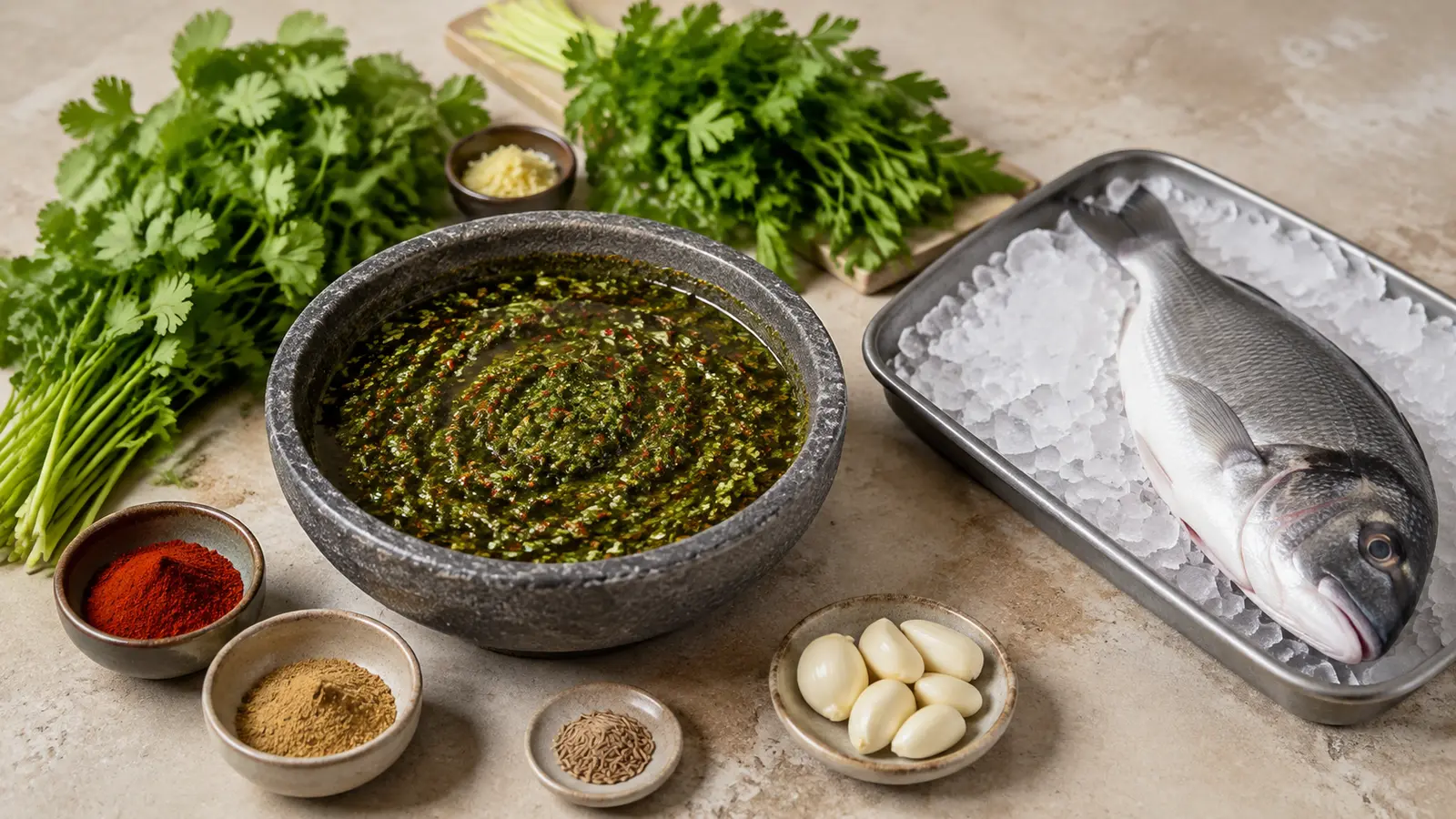
Cumin, ginger, turmeric, paprika, cinnamon, black pepper and coriander recur in different combinations. Ras el hanout is a merchant or household blend, not one universal formula. Buy enough to remain fresh, smell before using, and record successful combinations instead of assuming every packet has equal strength.
Treat preserved ingredients as seasoning
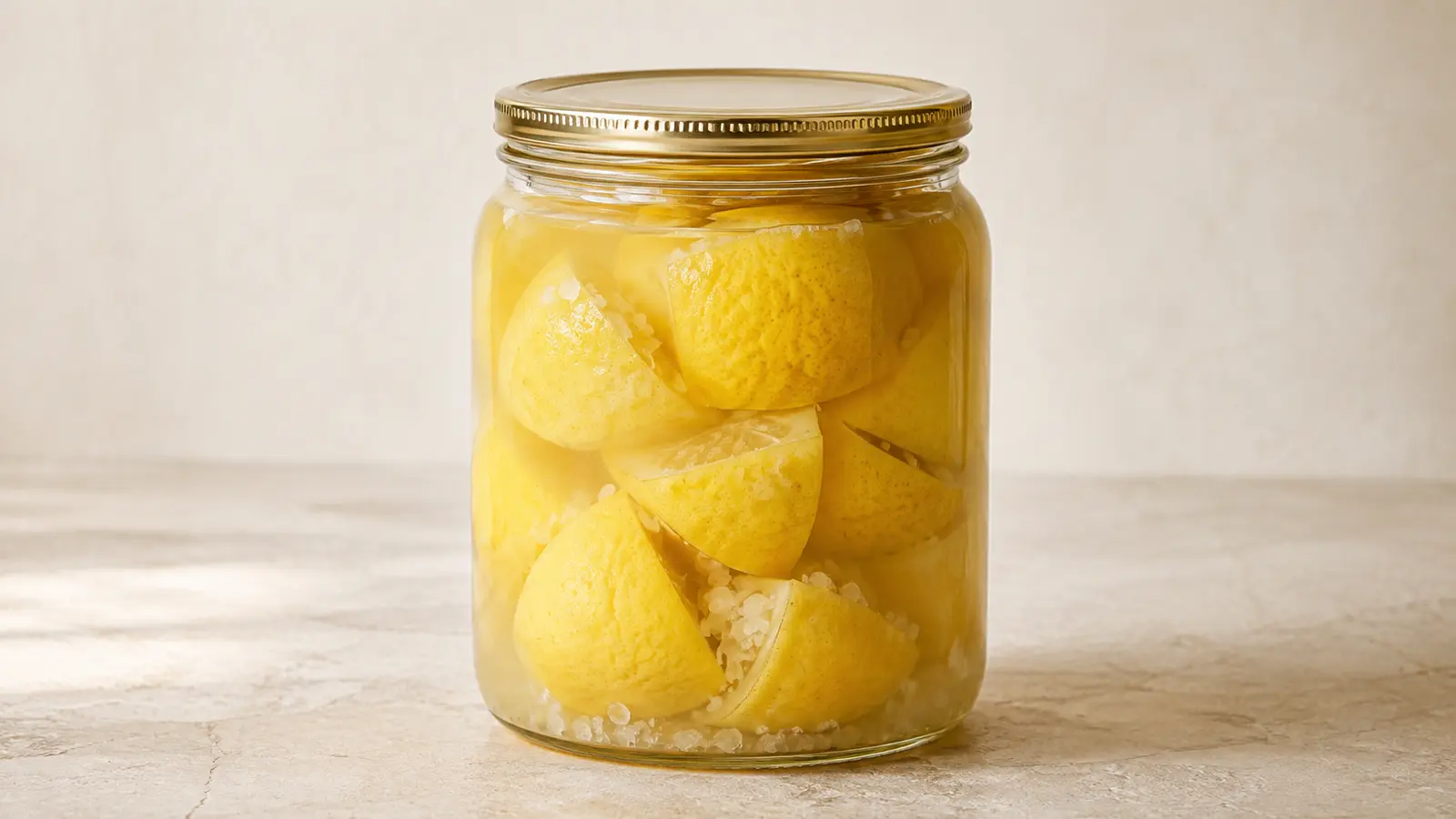
Olives, preserved lemon, smen and dried meats contribute salt, acidity, aroma or fat as well as bulk. Taste them first and adjust the rest of the dish around their intensity. Rinse or trim preserved lemon according to the recipe and the salinity of the batch you own.
Store for flavor and safety
Keep dry spices sealed away from heat and light, wash fresh herbs well, and refrigerate products when their producer or food-safety guidance requires it. Inspect imported or homemade preserves carefully; when storage history, seal integrity or safety is uncertain, replace the ingredient rather than trying to rescue it.
Official background reading
For broader cultural and product context, consult these current institutional resources: