Learn how Moroccan tagines build concentrated flavor through gentle heat, layered ingredients, restrained liquid and patient reduction.
A tagine is both a cooking vessel and a broad family of dishes. The conical lid returns condensation to the base, while low, steady heat lets onions, herbs, spices, meat or vegetables form a concentrated sauce. A heavy covered pot can reproduce much of the method, but the same principles still matter.
Use this collection with confidence
Build flavor in deliberate layers
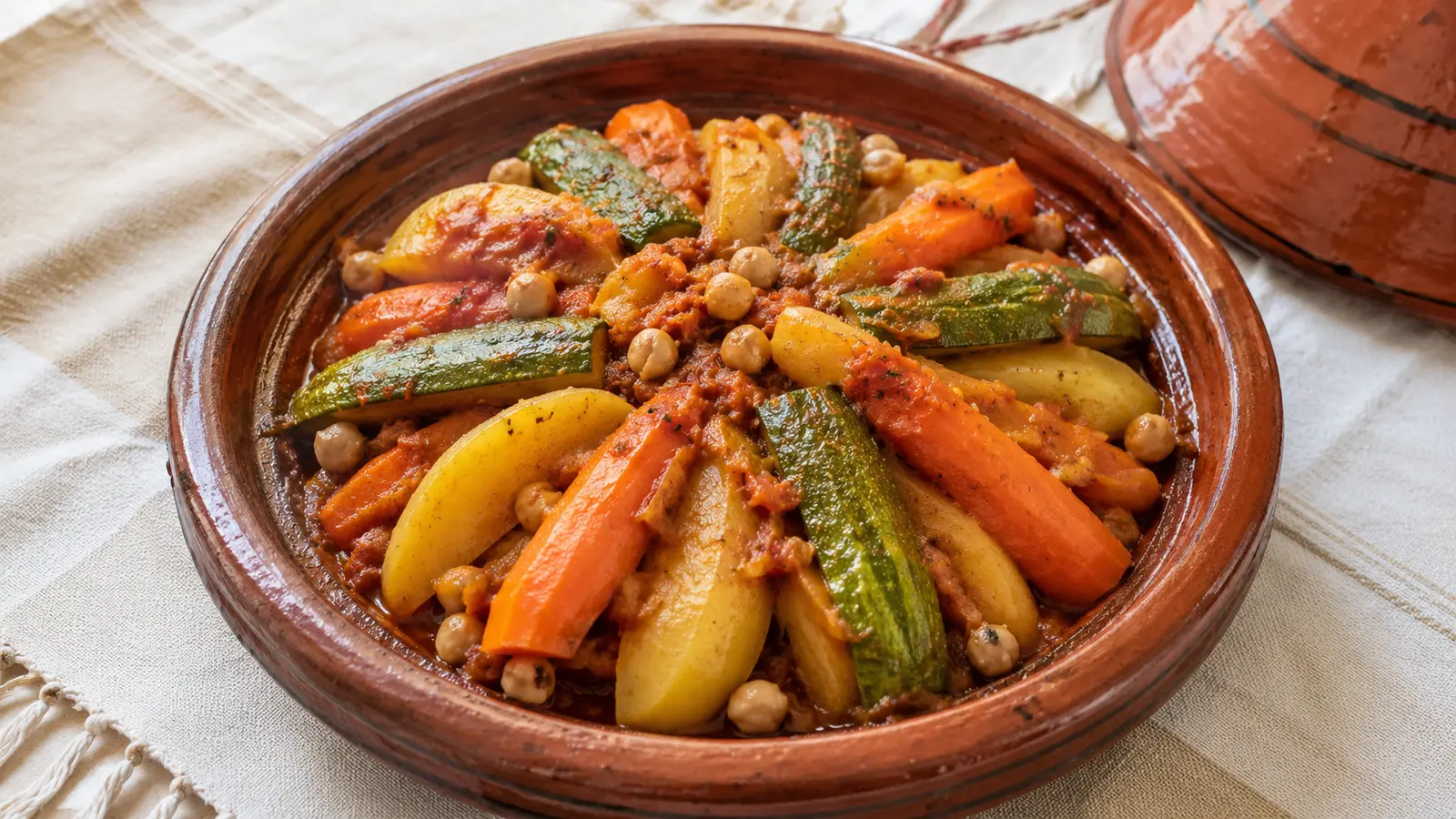
Begin with aromatics and fat, distribute spices evenly, and place slower-cooking ingredients where they receive the most heat. Moroccan tagines are generally not submerged like a stew. Add liquid cautiously, because vegetables release moisture and a covered vessel loses less steam than an open pan.
Control heat and protect the vessel
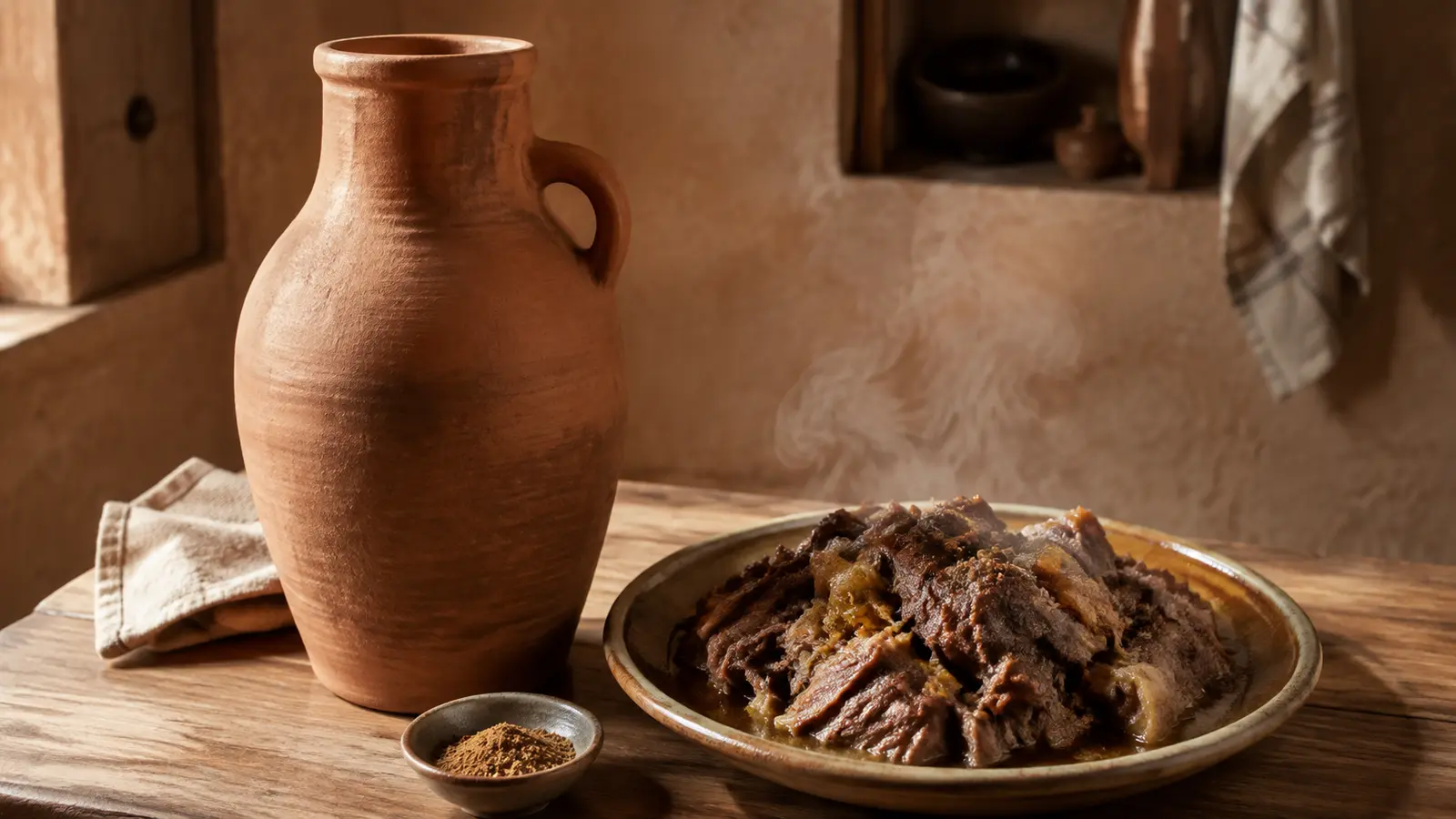
Traditional earthenware dislikes sudden temperature changes. Follow the maker’s care instructions, use a diffuser when appropriate, and avoid moving a very hot clay base onto a cold or wet surface. When using a Dutch oven, monitor reduction more closely because its shape and seal change evaporation.
Finish for balance, not excess
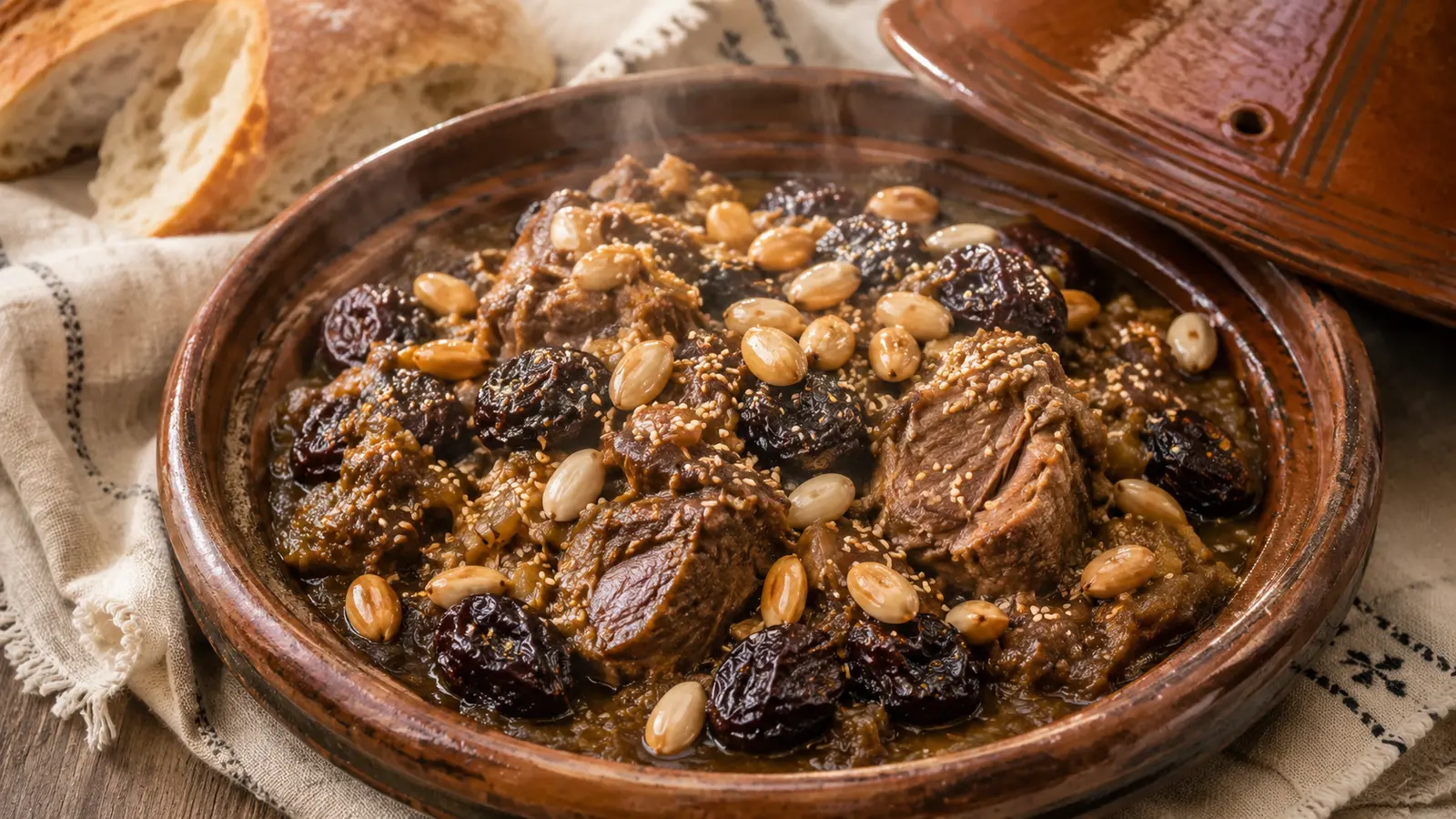
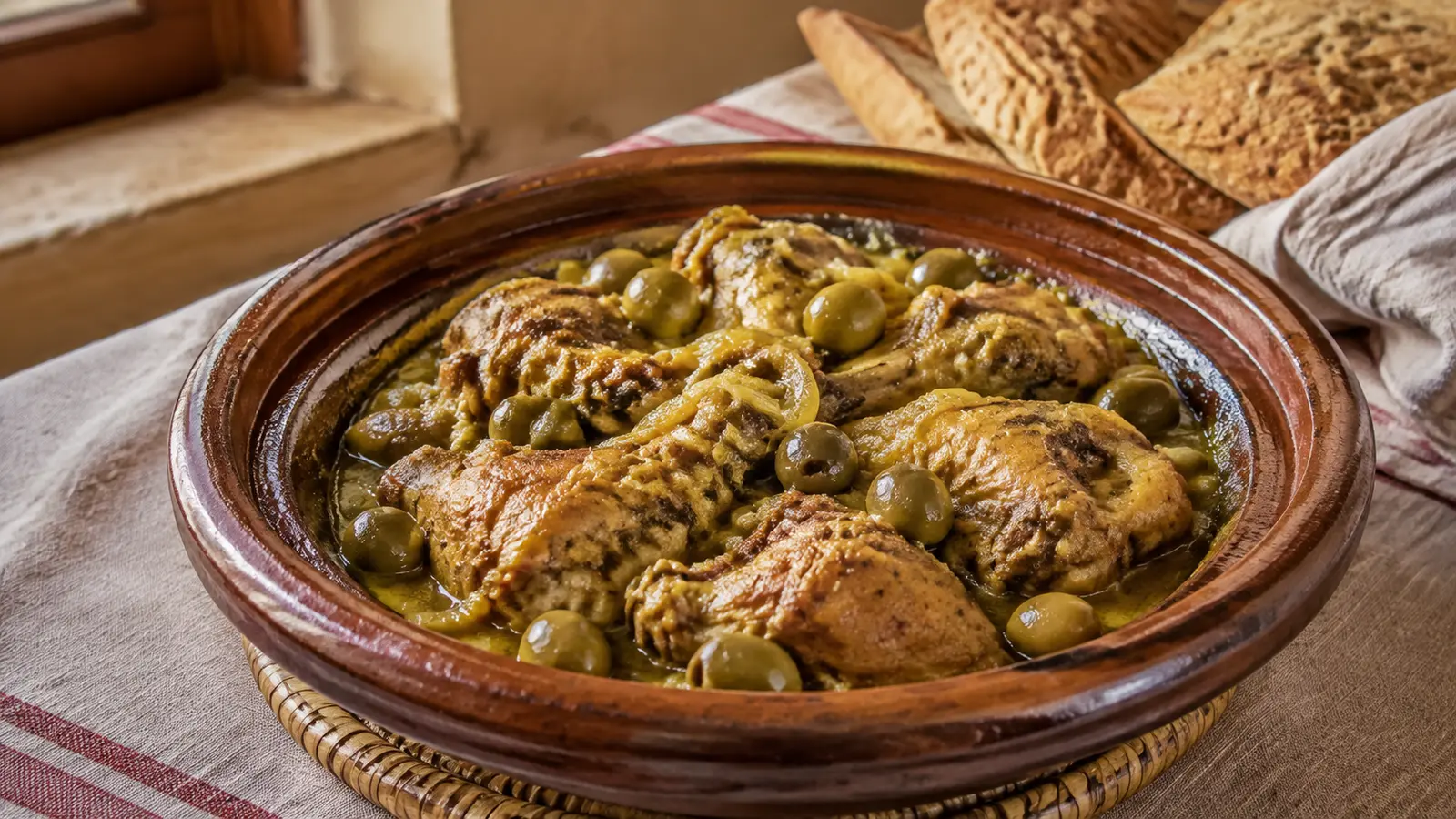
Olives, preserved lemon, dried fruit and salted butter can change seasoning quickly. Add assertive ingredients in stages, taste before adding salt, and reduce uncovered only when the main ingredients are tender. The finished sauce should cling to bread and food rather than pool like broth.
Official background reading
For broader cultural and product context, consult these current institutional resources: