
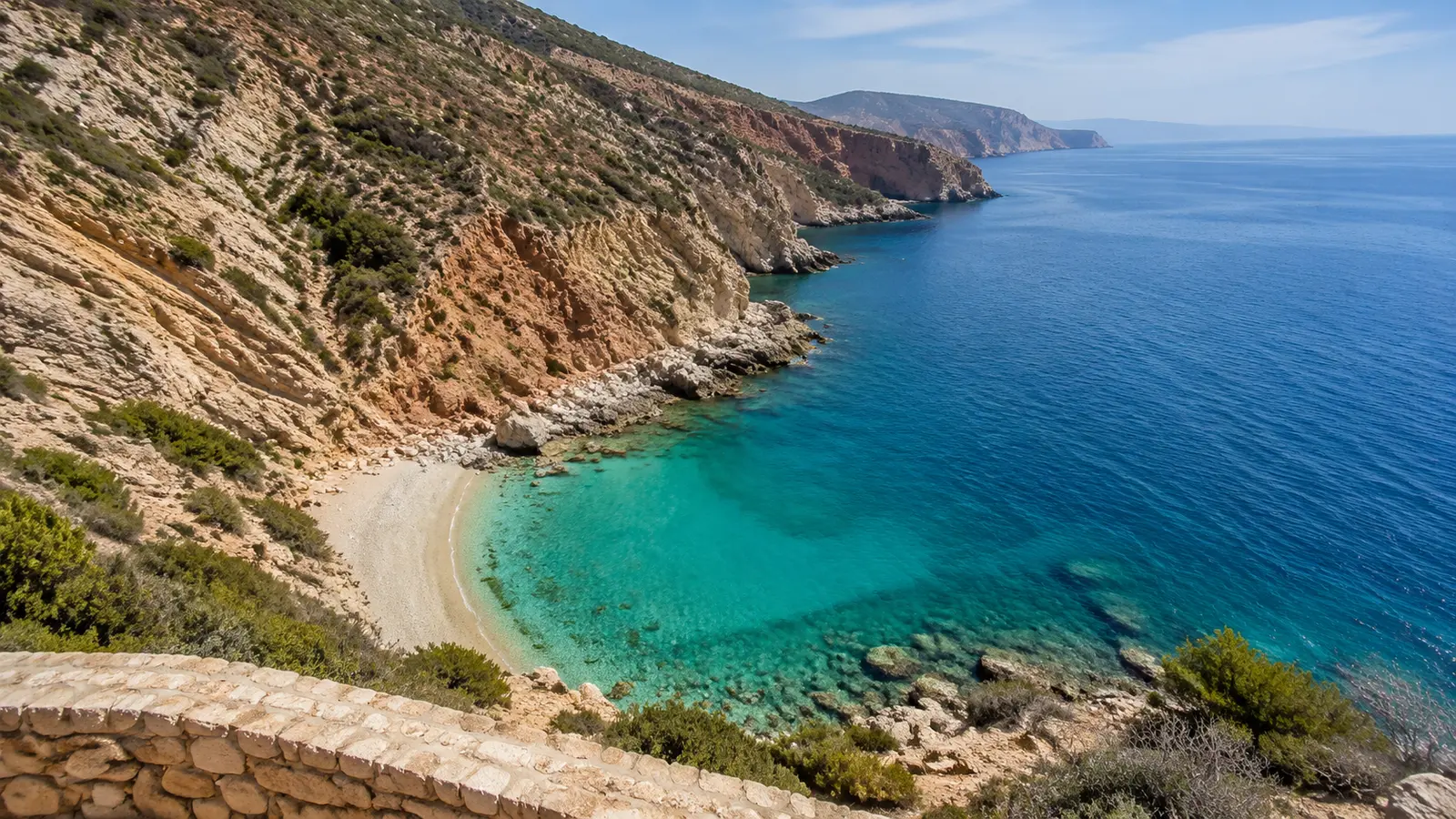
A compact city on a steep Mediterranean coast
Al Hoceima’s port, urban beaches and viewpoints sit within a bay-and-cliff geography that rewards a planned base. The official tourism office highlights the port, Moro Viejo outlook and national park, but reaching outlying coves can involve steep stairs or road transfers. Choose accommodation by access and transport, not only by sea view, and expect the Mediterranean to change quickly with wind.
Even when two points appear close, steep streets can make walking demanding and taxi pickup more practical. Ask an accommodation about the route to the nearest services, not only the beach. A central base simplifies evenings; a cliff or cove stay may trade that convenience for views and require every meal or outing to be planned.
- Map elevation as well as distance
- Check parking or taxi access
- Keep weather alternatives
- Treat viewpoints as distinct from beaches
Check current details: Official Al Hoceima destination overview · Moroccan National Tourist Office — destinations
How to choose a beach
Evaluate the access road, stairs, shade, facilities, lifeguard presence, flags, current swell and the return trip. A small cove can reach capacity early in summer and may have no reliable transport later. Never promise that a beach is safe for children or weak swimmers without current supervised conditions. Ask locally that morning and carry water without assuming a café will be open.
Check whether a descent includes maintained stairs and whether the climb back is realistic in heat. A lifeguard at one section does not supervise the whole bay. Families should choose the exact supervised zone after observing the day’s flags, while everyone should leave enough energy and daylight for the return uphill.
- Check supervision and flags
- Plan the return before descending
- Avoid overcrowded access roads
- Carry essentials and remove waste
Viewpoints and national-park-edge experiences
Al Hoceima National Park protects coastal and marine habitat. Enjoy legal public viewpoints, signed trails and authorized boat or guide services without publishing directions to sensitive nesting, fishing or cliff areas. Stay behind barriers, keep drones grounded unless clearly legal and permitted, and avoid night access to unlit edges. Conservation is more important than obtaining an empty panorama.
Park-edge boat trips should identify operator, vessel, safety equipment, maximum group and permitted route. From land, use marked viewpoints and keep well away from friable cliffs. Publishing a dramatic unmarked path can direct strangers into habitat and danger; a useful guide points readers to official access instead of rewarding secrecy.
- Use signed public routes
- Do not reveal sensitive habitat locations
- Keep away from cliff edges
- Choose authorized operators
Rif food identity
Build meals around fish when provenance and pricing are clear, breads, olive oil, seasonal vegetables and regional preparations rather than expecting one iconic dish at every table. Ask what arrived that day and how it will be cooked. In busy summer periods, a reservation or early meal can reduce pressure. Choose markets for observation and purchasing, not intrusive portraits of vendors.
Fish markets and restaurants may price by weight, piece or plate. Establish the unit and cooking method before ordering, especially for a group. Regional olive oil, bread and produce can build a good meal when the catch is unclear. Avoid claims that a dish is uniquely Rif unless the kitchen or a reliable source supplies that context.
- Ask today’s catch and unit price
- Choose visible turnover
- Try regional produce and bread
- Ask before market photography
Summer peaks and shoulder seasons
Summer brings Moroccan family travel, full beaches, traffic and high demand; it also provides the most active coastal services. Shoulder periods may be calmer but can deliver cooler water, reduced transport and weather changes. Decide whether your priority is swimming infrastructure or quiet exploration. Verify accommodation, restaurants and excursions rather than assuming a resort schedule continues year-round.
In July and August, confirm lodging and road transport earlier than a shoulder-season trip would require. Quieter months reward flexible travelers who can accept closed beach businesses or a rain day. A sea-view room does not guarantee swimming weather, so the itinerary should include cafés, markets and an urban walk from the start.
- Book summer transport early
- Expect crowded access and parking
- Reconfirm shoulder-season services
- Pack for wind and cooler evenings
Road links from Tangier, Tetouan and Fes
The Rif’s curves, elevation and settlement traffic make road time longer and more tiring than straight distance suggests. Use an official coach timetable or a reputable, rested driver, confirm the terminal and avoid plans that depend on a fast night journey. A Tangier start is logical for a northern coast route, but Al Hoceima is not a casual same-day outing from Tangier.
A long road leg needs a driver who is rested and a plan for stops. Shared transport may require a change, while direct private transport should be priced and documented before departure. The Tangier–Al Hoceima route belongs in a multi-day northern journey; returning the same day would leave little meaningful time on the coast.
- Check CTM or chosen operator live
- Keep motion-sickness needs in mind
- Avoid late unfamiliar-road arrivals
- Plan one travel day each way when needed
Check current details: Official Al Hoceima destination overview · Moroccan National Tourist Office — destinations
A three-day coast itinerary
Use day one for city orientation, the port area and a public viewpoint. Make day two the main beach or authorized park experience only after a conditions check. Keep day three for a second cove, food and a weather fallback; if the sea is poor, substitute a cultural walk or café rather than forcing water activity. Leave before dark for onward road travel.
If day two’s conditions fail, move the food and city material forward and reassess the coast the next morning. This keeps the trip worthwhile without encouraging entry into rough water. Departing after the third day should happen in daylight when possible, since a beautiful late sunset is not worth starting the Rif road tired and in darkness.
- Day one: city and viewpoint
- Day two: conditions-led coast activity
- Day three: flexible beach or cultural fallback