
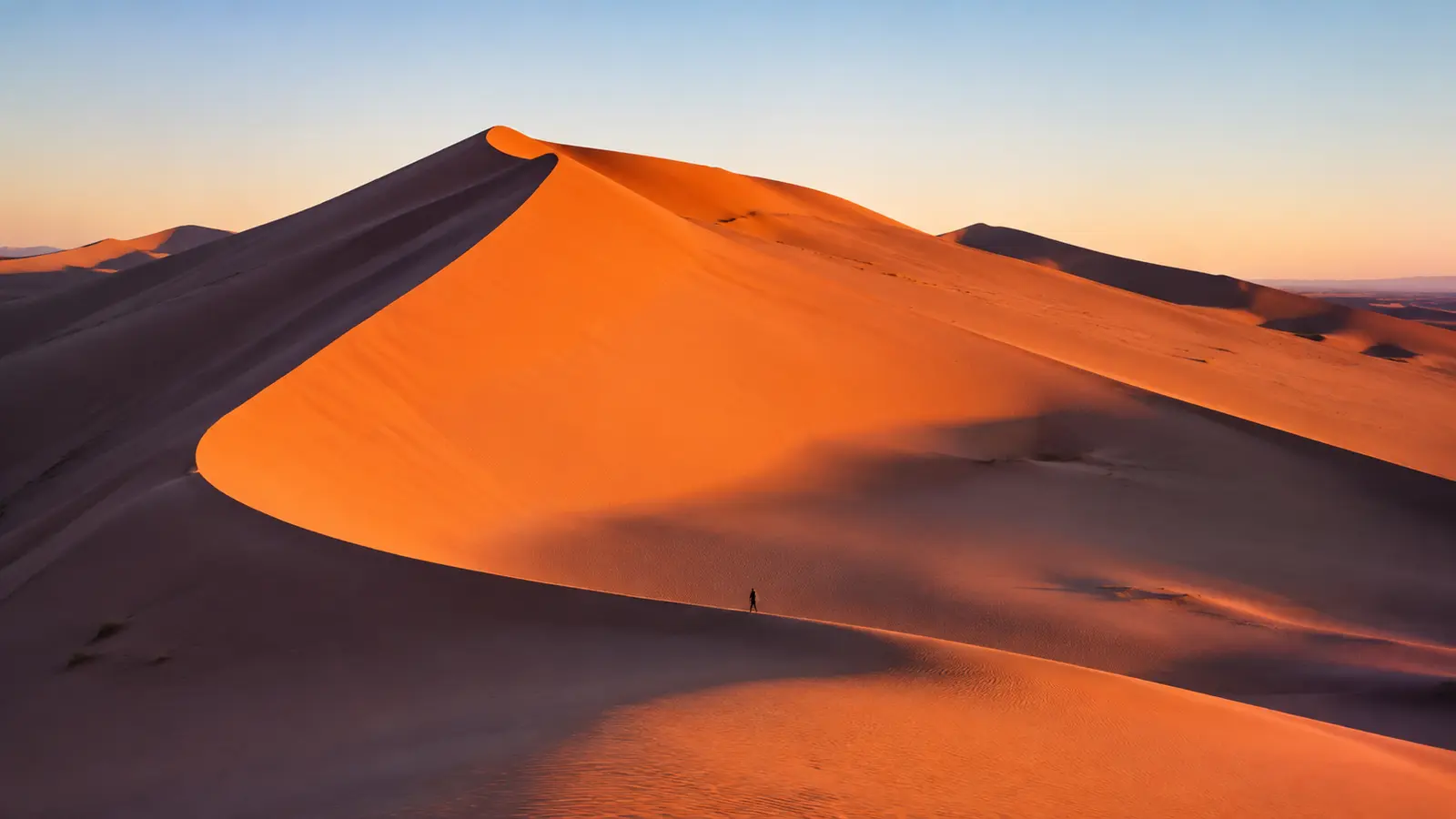
Merzouga, Erg Chebbi and the camp product
Merzouga names the settled area at the dune edge; Erg Chebbi is the sand-sea landscape. Many “camps” are semi-permanent accommodations reached by walking, camel or vehicle rather than remote expeditions. Ask the exact location, transfer method, group size, bathroom arrangement, electricity hours, meal plan and whether music continues late. A luxury label does not answer any of those operational questions.
Camp marketing sometimes uses “Merzouga” for accommodation spread around several approach villages. The pickup location affects road time and how the dunes are reached. Request a pin, meeting instructions and a phone number that works on arrival. If the operator will not explain sanitation, transport or weather contingencies before payment, a decorative tent photograph is not enough reassurance.
- Request a map pin or pickup location
- Confirm transfer both directions
- Ask about bathrooms and power
- Read cancellation terms
Check current details: Moroccan National Tourist Office — rural heritage · Moroccan National Tourist Office — useful information
Getting there without hiding the transfer day
From Fes, Marrakech or Ouarzazate, Merzouga requires a long road journey with stops and changing road conditions. A tour advertised by nights can disguise how much time is spent in a vehicle. Ask for planned departure, arrival and maximum driving blocks, and avoid schedules that depend on speeding or a late dune crossing. If using a coach, verify the terminal and onward camp pickup.
A Fes–Merzouga or Marrakech–Merzouga transfer often includes scenic and meal stops, but each stop lengthens an already demanding day. Ask which are guaranteed, optional or commission-based. Carry food and water for delays and make sure the driver receives proper rest. Any itinerary promising a late departure and effortless sunset arrival should be examined closely.
- Count door-to-door hours
- Ask how many travelers share the vehicle
- Plan food and bathroom stops
- Avoid a midnight arrival plan
How to choose a camp
Compare camps by verified operating detail: distance or privacy from neighboring camps, noise policy, lighting after bedtime, bedding for the season, ventilation, sanitation and emergency communication. Ask what happens during high wind or rain and who controls evacuation. Check whether “private” describes a tent or the entire camp. Save the operator contact and cancellation policy offline.
Noise and light matter because camps can cluster within sight or sound of each other. Ask for an honest description rather than the word “remote.” Bedding appropriate to cold nights, shaded ventilation for warmer periods and a reachable toilet matter more after dark than ornamental furnishings. Read recent operational information for changes, but do not treat anonymous reviews as verified fact.
- Clarify private tent versus private camp
- Ask about quiet hours and lighting
- Confirm weather contingency
- Keep operator and pickup contacts
Camel welfare and alternatives
Before booking a camel transfer, ask about rider weight limits, rest, water, tack fit, handler experience and what happens if you choose not to ride. Look for animals without open sores or obvious distress and decline a ride when conditions concern you. Walking at a suitable time or using a properly operated 4×4 can be alternatives; neither should be described as lesser participation.
A walking transfer should have a suitable distance, temperature window and luggage plan; walking on hot sand at midday is not an ethical alternative simply because it avoids animals. A 4×4 transfer should use established access and safe seating. Give the operator the decision before departure so declining a camel does not become a last-minute dispute at the dune edge.
- Ask welfare questions before payment
- Decline an animal that appears unfit
- Choose walking only in safe conditions
- Confirm vehicle safety and seat belts
Heat, cold, wind and sand
Desert days can be extremely hot, nights can become cold and wind can turn sand into a visibility and eye problem. Conditions vary by month and weather system, so check a current forecast rather than relying on a seasonal adjective. Carry water, sun protection, closed footwear, layers and eye protection. Follow operator instructions and stop exertion when symptoms suggest heat or altitude-related stress.
Fine sand enters cameras, phones and contact lenses easily. Bring a sealable bag, eye protection and only the equipment needed for the outing. In high wind, remain with the guide and do not cross a ridge alone for a cleaner frame. If anyone develops confusion, severe weakness or other concerning symptoms in heat, stop and seek help promptly.
- Layer for the night
- Protect skin and eyes
- Hydrate before feeling thirsty
- Treat wind warnings seriously
Community and side trips
Khamlia, oasis areas and fossil shops can add context when visits are community-led and terms are clear. Ask who benefits, whether a performance is scheduled or private, and whether a purchase is expected. Do not enter homes, fields or work areas for photographs. Fossil retail should never become collecting from protected or archaeological land; buy only through legitimate sellers when you understand origin.
A community visit should have a named host or organization and a clear purpose. Paying for a performance or guided exchange is more respectful than implying that people should provide culture spontaneously. When shopping for fossils or crafts, ask about source and legality without repeating unverifiable claims about age or excavation.
- Clarify payment and participation
- Ask before recording performance
- Stay on permitted routes
- Do not collect natural or cultural material
Check current details: Moroccan National Tourist Office — rural heritage · Moroccan National Tourist Office — useful information
Two nights versus one
One night can deliver sunset, dinner, sleep and sunrise but often sits between two exhausting drives. Two nights allow a weather buffer, a quiet period beyond arrival choreography and a shorter local activity. If time permits only one, reduce extra roadside stops and choose the safest transport rhythm. The desert should not be “earned” through an unsafe marathon.
With two nights, schedule the quietest period in the middle rather than filling it with another vehicle circuit. Rest, walk at a safe hour or spend time in the settled area. For a one-night stay, choose the most direct responsible transfer and accept that the experience is brief; marketing language should not disguise how much of the itinerary is road travel.
- One night is a compressed transfer experience
- Two nights provide weather and rest margin
- Never trade safe driving for an extra stop